



What Causes Dry Skin? Causes, Symptoms and How to Treat It
Dry skin is one of the most common skin concerns, yet most people treat it without understanding what is actually causing it. You apply a moisturiser, get relief for a few hours, and the tightness returns. That cycle usually means the root cause is still active. Whether it is cold weather, your shower routine, your diet, or an ingredient in your face wash, knowing the real trigger is what lets you fix it for good, not just mask it. Once you know the cause, you can explore Gaurisatva's ayurvedic skincare range built around real barrier repair.
What Is Dry Skin (Xerosis)?
Dry skin (xerosis) occurs when the skin's outer barrier loses too much moisture. The most common causes are cold weather, low humidity, hot showers, harsh soaps, aging, and certain medications or health conditions.Then keep the hook below it. When it is weakened, moisture escapes from the surface and irritants get in more easily.
For skin to feel soft, its outer layer needs to hold at least 10% water. When it drops below that, the surface becomes rough, tight, and prone to flaking or cracking.
Signs and Symptoms of Dry Skin
Identifying dry skin correctly before choosing a treatment matters more than most people realise.
Common symptoms:
- Tightness or a pulling feeling, especially after washing
- Rough or flaky surface texture
- Itching that ranges from mild to persistent
- Dull or ashy appearance
- Fine cracks on hands, heels, and lower legs
- Redness or irritation in affected areas
Severe dry skin can develop deep, painful cracks that bleed. If dryness continues despite consistent moisturising for two to four weeks, a dermatologist should evaluate it.
What Causes Dry Skin? 8 Common Reasons
Dry skin is most commonly caused by low humidity, hot water, harsh soaps, aging, and underlying health conditions. These factors either strip the skin's natural oils or weaken the moisture barrier.
1. Cold Weather and Low Humidity
Cold air holds less moisture than warm air. In winter, both outdoor temperatures and indoor heating reduce the humidity around your skin. Skin moisture mirrors its environment, so prolonged exposure draws water out of the surface layer continuously. This is one of the most consistent causes of very dry skin, particularly on exposed areas like the face, hands, shins and cold weather affects the skin barrier in ways that go beyond just surface dryness.
2. Hot Showers and Harsh Soaps
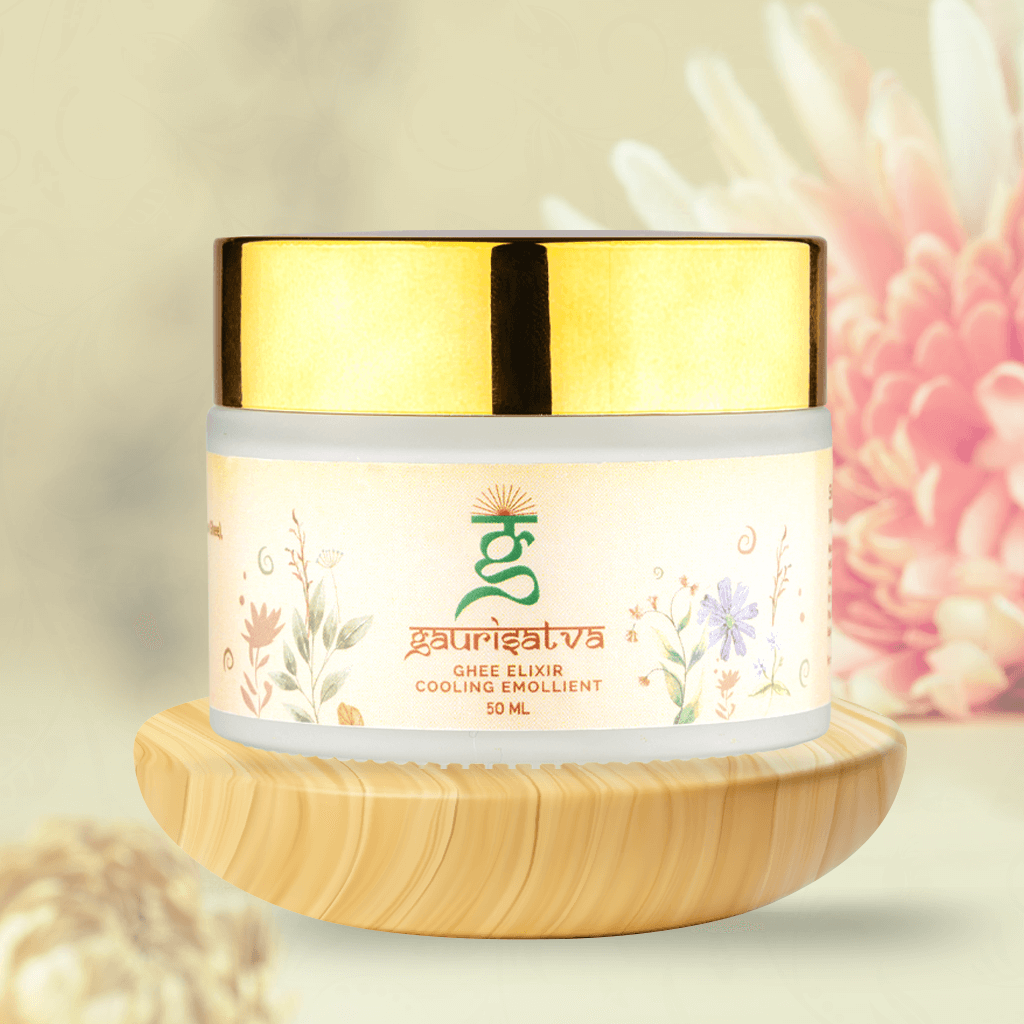
Long hot showers and antibacterial or heavily fragranced soaps strip the skin of its natural lipids and sebum. Sebum is produced by the sebaceous glands and acts as a sealant for moisture. Once it is removed, water evaporates from the skin rapidly. Frequent hand washing and alcohol-based sanitisers have the same effect. And once these natural lipids are gone, the skin needs a formula that can replace them directly, not just sit on the surface.
3. Indoor Heating and Air Conditioning
Central heating, space heaters, and air conditioning all reduce indoor humidity. Spending most of the day in climate-controlled environments is a consistent and often overlooked cause of dry skin. in fact, air conditioning is a major trigger many people don't associate with dryness, especially in winter when heating runs continuously.
4. Ageing
As skin ages, sebaceous glands become less active and lipid content in the stratum corneum decreases. Skin also renews itself more slowly, so dead cells build up and the barrier takes longer to repair. According to the American Academy of Dermatology, nearly everyone experiences dry skin by age 60, making ageing one of the leading causes of extremely dry skin in adults. This is closely linked to collagen loss and skin ageing that naturally occurs over time.
5. Underlying Health Conditions
Certain medical conditions affect the skin's ability to retain moisture:
- Eczema (atopic dermatitis): linked to reduced ceramide levels in the skin barrier
- Psoriasis: rapid skin cell turnover leads to scaly, dry patches
- Hypothyroidism: reduced thyroid hormone slows sebum production
- Diabetes: can affect nerve function and sweat gland activity
If dry skin appears suddenly and does not improve with moisturising, an underlying condition may be involved.
6. Medications
Some medications list dry skin as a known side effect:
- Diuretics cause the body to lose more fluid, which reduces skin hydration
- Oral and topical retinoids accelerate cell turnover and commonly cause initial dryness
- Certain antihistamines and blood pressure medications can also contribute
If dryness began after starting a new medication, speak with the prescribing doctor.
7. Nutritional Factors
The skin barrier relies on essential fatty acids and vitamins to maintain its structure. A diet consistently low in healthy fats or deficient in vitamins A, C, D, or E can weaken barrier function over time. Inadequate water intake further reduces moisture available to the skin.
8. Harsh Skincare Products
Products with alcohol, synthetic fragrances, or strong chemical exfoliants strip the skin's natural oils. Over-exfoliating more than two to three times per week disrupts the barrier and leads to prolonged dryness, sensitivity, and redness.
What Causes Dry Skin on Face Specifically?
Facial skin is thinner than skin elsewhere on the body and has fewer sebaceous glands, which makes it more vulnerable to environmental stress and product-related damage.
The most common causes of dry skin on face:
- UV exposure, which increases water loss and breaks down the skin barrier over time
- Frequent washing with foaming or soap-based cleansers
- Using acne treatments like benzoyl peroxide or salicylic acid without a moisturiser alongside
- Cold wind and low humidity hitting exposed facial skin directly
- Air conditioning exposure throughout the day
Dry patches around the nose, lips, and cheeks tend to appear first because these areas have fewer oil glands and face the most environmental exposure.
What Causes Extremely Dry Skin?
Extremely dry skin, where the skin cracks, bleeds, or becomes visibly scaly, usually results from multiple causes working together rather than one single trigger.
Contributing factors:
- A severely compromised or genetically weakened skin barrier, as seen in eczema or ichthyosis
- Prolonged exposure to dry environments without moisturising
- Long-term use of drying medications or harsh skincare products
- Deficiencies in essential fatty acids or vitamins that impair barrier repair
- Advanced age combined with consistent environmental exposure
At this level of severity, standard moisturising alone may not be enough. A dermatologist can confirm whether a clinical condition is involved.
How to Treat Dry Skin
Treatment works best when matched to the cause. General approaches with dermatological rationale:
- Apply moisturiser for dry skin to slightly damp skin after washing, before water evaporates from the surface
- Switch to a gentle, fragrance-free cleanser rather than a foaming or soap-based formula
- Limit showers to five to ten minutes and use warm rather than hot water
- Use a humidifier indoors during winter to raise ambient moisture levels
- Choose products with ingredients like shata dhauta ghrita, which repair the barrier and attract moisture to the skin. Pairing this with simple home remedies for hydration can further support the skin between applications.
When the skin barrier is weakened, it needs lipid-based repair, not just surface hydration. Products that sit on top of the skin without restoring the barrier will only give temporary relief.
What Causes Dry Skin on Face: Treatment Approach
For dry skin on the face, the approach differs from body care because facial skin is more sensitive and thinner:
- Choose lighter, water-based or emollient formulations over heavy body creams
- Look for hyaluronic acid, niacinamide, or aloe vera as active ingredients
- Avoid products with retinol or exfoliants unless paired with a dedicated moisturiser
- Apply a broad-spectrum SPF daily, as UV exposure accelerates moisture loss from facial skin
Ayurvedic Perspective on Dry Skin
In Ayurvedic practice, dry skin is associated with excess Vata dosha, which represents the qualities of air and space: lightness, dryness, and irregularity. When Vata increases, the skin becomes rough, tight, and dull.
Ayurvedic approaches for managing dry skin:
- Abhyanga, a daily self-massage using warm oils such as sesame or almond oil, applied before bathing to nourish the skin barrier
- Including ghee, coconut oil, and soaked nuts in the diet to support internal moisture
- Avoiding excessively cold, dry, or processed foods, which aggravate Vata
These practices align with the modern understanding of lipid-based barrier support. They work alongside topical care rather than replacing clinical treatment for severe dryness.
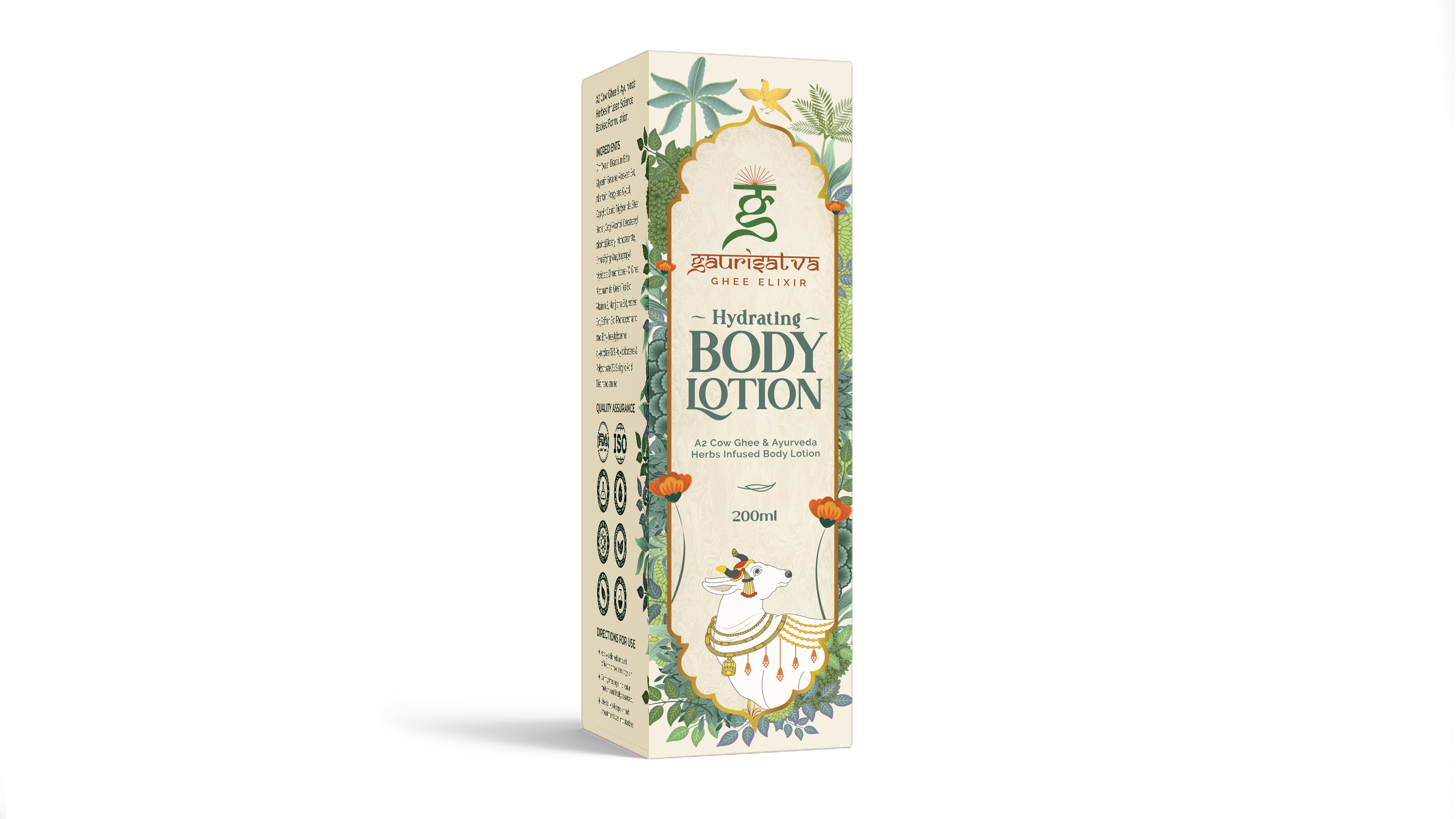
For the body, dry areas like elbows, knees, and heels need consistent daily nourishment, not just occasional application. An ayurvedic body lotion applied after bathing, while the skin is still slightly damp, delivers the same principle of oil-based nourishment in a fast-absorbing, non-sticky format.
When to See a Dermatologist
Most dry skin improves with consistent moisturising and small changes to daily habits. See a dermatologist if:
- Dryness continues despite regular moisturising for two to four weeks
- The skin develops painful cracks, bleeding, or open sores
- Itching disrupts sleep or daily activity
- Dry skin comes with redness, swelling, or oozing, which may indicate eczema or infection
- Dry skin appeared suddenly alongside other unexplained symptoms
A dermatologist can confirm whether an underlying condition is involved and prescribe targeted treatment if needed.
Frequently Asked Questions
What is the most common cause of dry skin?
Low humidity is the most common environmental cause. Cold outdoor air and heated indoor air both reduce moisture levels around the skin, pulling water out of the outer layer consistently over time.
Is dry skin the same as dehydrated skin?
No. Dry skin is a skin type defined by low sebum production. Dehydrated skin is a condition where the skin lacks water, and it can affect any skin type including oily skin. The two can occur together but need different treatments.
What causes dry skin on face more than on the body?
Facial skin is thinner, has fewer oil glands, and is more directly exposed to wind, UV, and daily skincare products. These factors make the face more prone to losing moisture than body skin.
What deficiency causes dry skin?
Deficiencies in essential fatty acids and vitamins A, D, and E are associated with weakened skin barrier function. A blood test through a doctor is the reliable way to confirm a deficiency before supplementing.
When does dry skin need medical attention?
Dry skin that cracks and bleeds, does not respond to moisturising, or comes with persistent redness, swelling, and itching that disrupts sleep should be assessed by a dermatologist.
Disclaimer: This content is for informational purposes only and is not intended as medical advice. Always consult a qualified healthcare professional before starting any Ayurvedic treatment or remedy.

Ruchika A. Pandya

Ruchika A. Pandya is a psychologist and mental health advocate who founded Gaurisatva to support women’s well-being through mindful skincare. After seeing how unrealistic beauty standards and harsh products affected both skin and confidence, she turned to Ayurveda, where beauty is rooted in balance and nourishment.
Through gentle, thoughtfully crafted formulations inspired by timeless Ayurvedic traditions like Shata Dhauta Ghrita, Ruchika creates skincare that nurtures both skin and spirit. Her approach focuses on restoring balance, supporting healthy skin, and encouraging women to reconnect with the purity of natural, holistic care in their everyday routines.
