



How to Repair Your Skin Barrier Naturally
A moisturiser that used to make you look good turns into a red, burning sensation in your skin – why? A wash that used to make your skin soft and smooth after an hour – why? These are all due to the barrier in your skin. Skin barrier repair is not a matter of increasing the number of products.
It's typically more of a reduction in activity, a slower pace, for a couple of weeks at a time. This guide will take you through the steps of identifying a damaged skin barrier, the root causes of the damage, and the steps you can take to determine a realistic repair schedule.
What Is Skin Barrier?

The skin barrier is the outermost layer of the skin that helps retain moisture and protect against external irritants. It is mainly made up of skin cells and lipids such as ceramides, cholesterol and fatty acids. This is the first line of defence against your skin, and when it is functioning correctly, you probably won't think about it.
If the barrier is working properly, it will maintain skin's moisture and prevent irritants, pollutants and bacteria from penetrating it, meaning it will have a smooth, comfortable feel and not react to the kinds of products it is used for. This lipid layer is composed of ceramides, cholesterol and fatty acids, and acts as a seal which slows down water loss from the skin.
If this layer is in good condition, moisture remains in place. If it is damaged, water will be lost quicker than the skin can replace it and that causes it to feel tight, dry and unpleasantly so after you use moisturisers.
How Do You Know Your Skin Barrier Is Damaged?

Common signs of a damaged skin barrier include dryness, flaking, tightness, redness, burning, stinging, increased sensitivity and rough texture'. If you can relate to any of the following situations, you probably need support for your barrier.
Dryness and Flaking
Often, the initial symptom looks like the everyday causes of dry skin: dryness, tightness and flaking. The skin appears taut shortly after cleansing, and you might see small flakes particularly in the nose, cheeks and jaw area even if you're not naturally dry skinned.
Redness and Sensitivity
Facial sections could turn irritated and red without a specific cause. Products which were not a problem before can begin to cause discomfort, even a simple moisturiser.
Stinging and Burning
Weakened barrier allows for things to penetrate the skin more than they should, resulting in stinging, burning or itching. Sometimes, cleansers, serums and even simple water can irritate or sting.
Rough Texture
Skin may begin to feel rough and bumpy to the touch, and makeup or sunblock may not blend properly.
Sudden Product Irritation
One of the most obvious: products that all of a sudden become irritating. If a product that you've been using for months suddenly gives you an itchy, breakout rash, it's not the product and it's just a barrier that can't stand up to it anymore.
What Causes a Damaged Skin Barrier?

A damaged skin barrier can result from over-cleansing, excessive exfoliation, irritating skincare products, environmental stress and repeated use of strong active ingredients. Damage to barriers rarely occurs from a single incident. Typically, a collection of small habits and external pressures deteriorates the wall more than the wall is able to repair itself.
Over-Cleansing
Washing too many times, using hot water or harsh cleansers with foaming and/or sulphate can remove the natural barrier-forming oils. Most people only need it twice a day.
Excessive Exfoliation
One of the most frequent causes of barrier failure is excessive exfoliation and strong actives - putting on more than one acid, retinoid or physical exfoliation or using them too often. This is particularly common when individuals use more than one "active" product at a time in order to achieve quicker results.
Environmental Stress
UV exposure, pollution and harsh weather (particularly cold dryness or strong winds) impose stress on the surface of the skin. This over time reduces the barrier's water-retaining and defensive capabilities.
Unsuitable Skincare
Over time products that are not good for your skin can be ruining your skin slowly, such as perfumes that contain a high amount of fragrance or a high concentration of alcohol, or just the wrong product for your type of skin.
How to Support a Damaged Skin Barrier
To repair a damaged skin barrier, simplify your routine, use a gentle cleanser, moisturise regularly, pause irritating actives and protect your skin from the sun. This time, the mission is damage limitation – to mitigate what's overloading the skin barrier and allowing it to heal. This is mostly a subtraction question rather than an additional question.
If you're wondering how to repair your skin barrier, start by reducing the things that may be making your skin feel more irritated rather than adding more products.
Gentle Cleansing
Change to a low foam, mild soap and use lukewarm water rather than hot. Cleansing habits matter here as well, and switching to a mild, low-foam body wash follows the same gentle-cleansing principle already covered for the face, along with using lukewarm water rather than hot. When your skin is tight right after you wash, it's typically a sign that the cleanser is simply too severe for the place where your skin is at this time.
Regular Moisturising
Ensure skin is suitably moisturised.
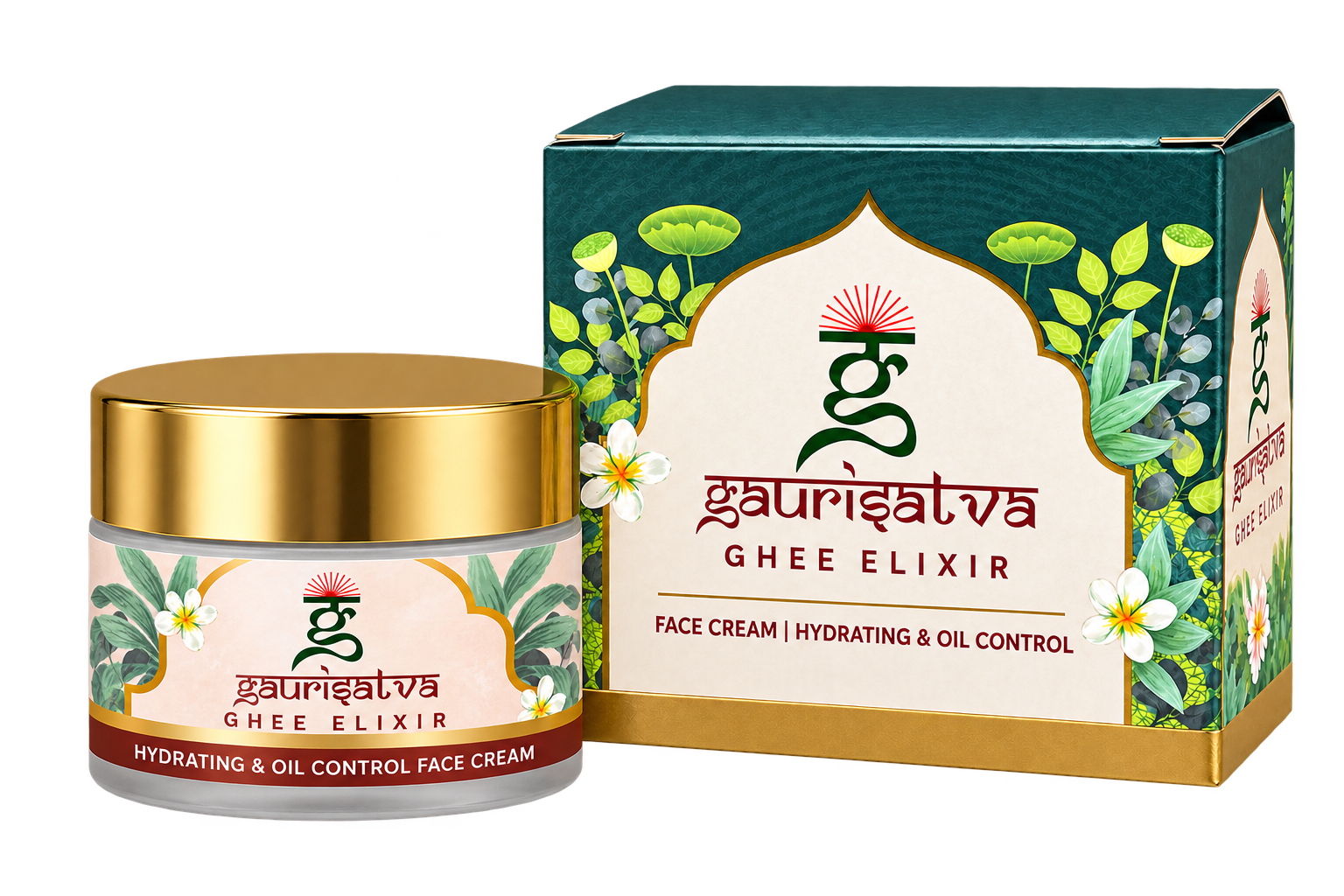
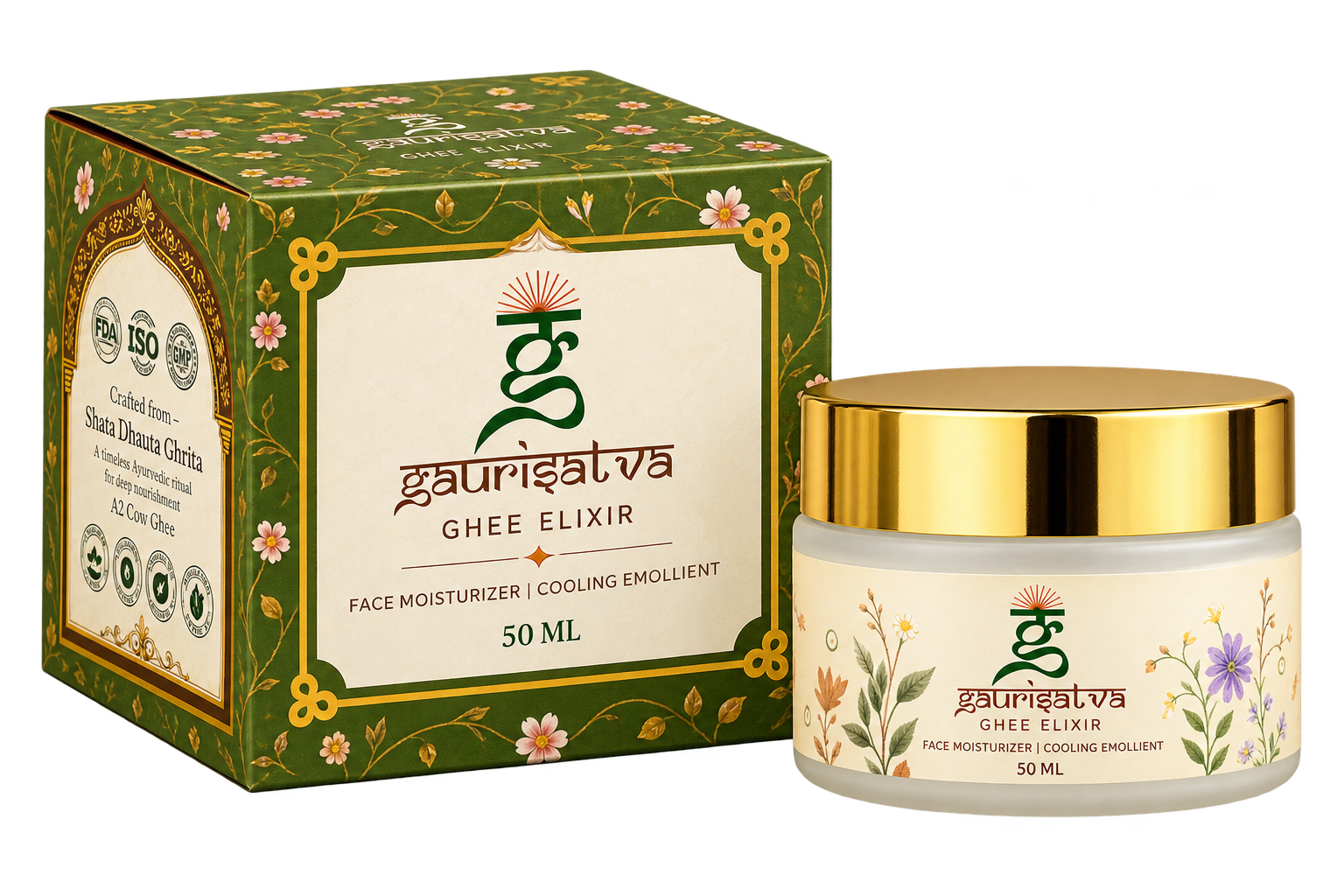
Don't deprive your skin of moisturiser for "breathing" time. The barrier support moisturiser that contains ceramides or other lipids such as the ayurvedic face cream helps replace the moisture the barrier has lost, without adding fragrance or harsh actives that could slow recovery.
Simplify Your Routine
Do not use too much skincare.
Simplify the application: Only the essentials - cleanser, moisturiser and sunscreen during the day. Each additional step is an additional opportunity to irritate already damaged skin.
Pause Exfoliation
Wait for symptoms to abate before using pause acids, scrubs and retinoids. Contrary to what you may think if you are accustomed to an active lifestyle, exfoliating an impaired barrier typically slows recovery even more.
Protect From the Sun
In cases where your barrier is broken, daily sunscreen becomes even more important, not less, because your skin is more sensitive to UV exposure. Sunscreen which is physical or mineral in nature is generally better tolerated during this time.
Ingredients That Support Skin Barrier Care
Not all ingredients that can be found in nature are barrier-friendly. The idea is to select ingredients that are going to replace what the barrier is lacking or to soothe the skin while it is restoring itself.
Moisture-Supporting Ingredients
Ceramides, hyaluronic acid and squalane replenish the lipid layer and attract water into the skin. If you want to pick up a new moisturiser during a barrier-repair phase, these are some that you can find on an ingredient list.
Soothing and Emollient Ingredients
Soothing ingredients such as oat extract, panthenol and plant-based oils help to soothe visible redness to support comfort as the barrier is repairing, without fragrance or irritation.
Ayurvedic Ingredients
The ingredients used in the Ayurvedic skin care products are very gentle and do not irritate the skin.
Best Ingredients to Repair Skin Barrier

|
Key Ingredient |
Primary Function |
Ideal Skin Benefit |
|
Shata Dhauta Ghrita (100x Washed Ghee) |
Barrier Lipid Repair |
Deeply nourishes structural lipids, prevents water loss, and cools heat. |
|
Ceramides |
Mortar Replacement |
Restores the intercellular matrix and stops moisture evaporation. |
|
Fatty Acids (Almond / Shea Butter) |
Cellular Flexibility |
Replenishes essential lipids to smooth out rough, flaking skin layers. |
|
Humectants (Hyaluronic Acid / Glycerin) |
Water Attraction |
Draws water deep into skin cells to plump and hydrate. |
|
Botanical Extracts (Arjuna Bark & Vetiver) |
Anti-Inflammatory Care |
Calms reactive redness and speeds up natural tissue recovery. |
To Understand and Apply Ayurveda for Skin Barrier Care
At Gaurisatva, skin barrier repair isn't separate from skin philosophy in Ayurveda; it's an inherent part of it — minimal intervention, consistency and letting the skin heal.
Keep Skincare Simple
Avoid overusing skin products.
A traditional ayurvedic skincare routine involves few selected products, applied in a long and systematic course. This is in keeping with dermatology's advice during barrier recovery, which is “less is more” here.
Nourish According to Skin Needs
Instead of using the same skincare regimen for all skin types, Ayurvedic skin care adapts to the needs of the skin at a particular time - it's cooling and lightweight when the skin is irritated, richer and more emollient when it's dry. the same reasoning behind reaching for a richer Ayurvedic Body lotion once body skin starts feeling tight or flaky This type of responsiveness is beneficial to borrow even beyond the context of Ayurvedic routine.
Stay Consistent
Repair of the skin barrier is an ongoing process. Consistency is one of the most important elements of the skin care routine, as the skin is not accustomed to a constant change of products.
How to Tell If Your Skin Barrier Is Getting Back to Normal
Look at how your skin looks to determine if your skin barrier is back to normal.
Recovering is typically slow, and it's important to understand how much you should expect to recover in order to avoid giving up on the routine too soon or changing products too quickly.
Less Tightness and Dryness
Skin stays supple immediately after cleansing and the flaking becomes less noticeable in minutes.
Skin Feels More Comfortable
The general feeling of irritation, the low background irritation begins to diminish before you see any improvement in texture.
Less Sensitivity
Starts to feel normal again about stinging products. This usually is the most obvious indication that the barrier is working well.
Better and More Even Texture
Texture is smoothed and skin begins to appear less patchy or irritated with makeup or sun screen.
What to Avoid When Your Skin Barrier Is Damaged?

No matter how well you follow the rest of the routine, a couple of bad habits can be the downfall of any gains made in the first few weeks.
Over-Exfoliation
Scratching, especially in the case of the flesh, can lead to micro-tears in already damaged skin. Try to avoid these until your barrier has recovered.
Frequent Product Changes
Regularly using a different skin care product.
It's difficult for skin to get used to a product, and hard for you to know what is working. Provide a new routine 2-3 weeks in advance before judging.
Too Many Actives
Combinations of retinoids, AHAs, BHAs and vitamin C are too much even for healthy skin. When repairing a barrier, most actives should be suspended and reintroduced at a rate of one per week and in small amounts, ensuring the skin has become settled.
Excessive Cleansing
Washing more than is necessary.
Typically, twice a day is sufficient. Additional cleaning, particularly using foaming cleansers, are counter-productive to barrier repair.
How Long Will It Take the Skin Barrier to Heal?
There is no fixed recovery time. Mild irritation may start to feel better within a few weeks once the cause is removed, while more significant or long-standing damage can take longer.
More significant or long-standing damage can take longer to recover. The exact timeline depends on how damaged the barrier is and whether the irritation continues.
What Affects Skin Barrier Recovery Time?
The recovery time can vary depending on what caused the damage and how long your skin has been irritated. Frequent exfoliation, strong active ingredients, harsh cleansing and constantly changing products can keep the skin unsettled and slow things down. Giving your skin a simple routine and sticking with it gives the barrier a better chance to recover.
Signs Your Skin Barrier Is Healing
You may notice that your skin starts feeling more comfortable before it looks completely normal. Tightness after cleansing may reduce, flaking can become less noticeable, and products that previously caused mild stinging may feel easier to tolerate. Over time, the skin may also feel smoother and less reactive.
The main thing is not to rush the process. If your skin is gradually becoming less dry, tight and sensitive, that is generally a better sign of recovery than trying to judge it by a specific number of days.
Frequently Asked Questions
Is There a Natural Way to Repair Damaged Skin?
Yes, in most cases. The premise of natural skin barrier repair is that the skin has the ability to heal itself in the first place, and that if you can make it easier on the skin, with gentle cleansing, regular moisturizing, and avoiding harsh actives, it will provide the skin with the conditions it needs to heal on its own.
Which Ingredients Help to Provide Support to the Skin Barrier?
Usually, ceramides, hyaluronic acid, squalane and soothing ingredients such as panthenol and oat extract are recommended. Other natural moisturising agents like the ghee based Ayurvedic formulations can also be beneficial, particularly for sensitised or dry skin.
If My Skin Barrier Is Compromised, Can I Moisturise?
Yes — moisturising is one of the most important steps when repairing a barrier – don't overlook it! Use a fragrance free ceramide rich formula and apply daily, twice a day.
If My Skin Is Sensitive, Should I Continue With the Exfoliation?
No. If your skin barrier is irritated or compromised, it is generally better to pause exfoliating acids, scrubs and other potentially irritating actives until your skin feels comfortable again.
How Long Does It Take to Repair the Skin Barrier?
It is generally noticed within 2-4 weeks; the process to full recovery can take 6-8 weeks depending on the extent and regularity of the damage.
Does My Regular Product Cause My Skin to Get Irritated All of a Sudden?
Yes, this is one of the most frequent indications of barrier damage. This doesn't necessarily imply that the product itself is adversely affected, but rather that there's a temporary drop in barrier tolerance.
Disclaimer: This content is for informational purposes only and is not intended as medical advice. Always consult a qualified healthcare professional before starting any Ayurvedic treatment or remedy.

Ruchika A. Pandya

Ruchika A. Pandya is a psychologist and mental health advocate who founded Gaurisatva to support women’s well-being through mindful skincare. After seeing how unrealistic beauty standards and harsh products affected both skin and confidence, she turned to Ayurveda, where beauty is rooted in balance and nourishment.
Through gentle, thoughtfully crafted formulations inspired by timeless Ayurvedic traditions like Shata Dhauta Ghrita, Ruchika creates skincare that nurtures both skin and spirit. Her approach focuses on restoring balance, supporting healthy skin, and encouraging women to reconnect with the purity of natural, holistic care in their everyday routines.
