


Arjuna Bark Benefits: Uses, Benefits for Skin and How to Use It
Arjuna bark benefits mainly come from its traditional astringent character and naturally occurring plant compounds with antioxidant properties, making it an interesting ingredient for Ayurvedic and botanical skincare.
Derived from Terminalia arjuna, arjuna bark extract is commonly incorporated into formulations for oily, combination and balanced-looking skin.
But what makes Arjuna worth exploring is not a promise of dramatic overnight results—it is how this traditional botanical can fit into a simple, consistent skincare routine. If you're exploring arjuna bark for skin, this guide covers its key benefits, arjuna bark uses, suitable skin types, powder versus extract, and how to use it comfortably.
What Is Arjuna Bark?

Arjuna bark is the dried outer bark of the Terminalia arjuna tree, native to the Indian subcontinent.
Arjuna bark contains naturally occurring plant compounds such as tannins, flavonoids, polyphenols and triterpenes, same family of actives found across most ayurvedic skincare ingredients. These contribute to the botanical profile of the ingredient and help explain why arjuna bark benefits are discussed in Ayurvedic and botanical skincare.
In Ayurveda, Arjuna has traditionally been associated with the concept of rasayana. Rather than translating this directly into a modern skincare claim, it is more useful to understand this as part of the ingredient's traditional Ayurvedic context.
What Are the Arjuna Bark Benefits for Skin?

The main benefits for skin are linked to its traditional astringent character and naturally occurring compounds with antioxidant properties. This makes it particularly relevant to oily, combination and balanced-looking skin.
Antioxidant Support for Everyday Skincare
- Contains naturally occurring polyphenolic compounds with antioxidant properties.
- Antioxidants are commonly used in skincare to support skin exposed to everyday environmental stress.
- Can fit into a daytime skincare routine alongside sunscreen.
- Works best as part of a simple, consistent skincare routine rather than as a standalone solution.
Helps Maintain a Fresh, Balanced-Looking Complexion
- Contains tannins with a traditional astringent character.
- May suit formulations designed for skin that feels oily or less fresh on the surface, similar to how minimizing open pores is approached in skincare.
- Can be relevant to oily and combination skin routines.
- From an Ayurvedic perspective, its traditional qualities are also associated with certain Pitta- and Kapha-oriented skincare approaches.
Supports a Smooth, Conditioned Skin Feel
- Can be included in formulations designed to maintain a smooth and comfortable skin feel.
- Works alongside other ingredients in a finished skincare formulation.
- The final skin feel depends on the complete formulation, not Arjuna alone.
- A consistent, simple routine is generally more useful than expecting an immediate change from one botanical ingredient.
Which Skin Types May Suit Arjuna Bark for Skin?
Arjuna bark for skin can fit different skincare routines, but the right formulation matters depending on your skin type.
- Oily or combination skin: Arjuna's astringent character may suit routines built around managing excess surface oil and a fresh skin feel.
- Sensitive skin: Introduce a new Arjuna product gradually and patch test first — same caution applies broadly when caring for sensitive skin.
- Dry skin: Choose a moisturising formulation if your skin tends to feel dry or tight.
- Mature-looking skin: Arjuna can be included in routines focused on maintaining smooth, conditioned and healthy-looking skin.
Arjuna Bark in Classical Ayurveda
Two properties define arjuna bark in Ayurvedic practice: sheeta (cooling) and kashaya (astringent).
In Ayurvedic terminology, sheeta is generally described as cooling, while kashaya is described as astringent. These traditional qualities help explain Arjuna's place in Ayurvedic skincare.
Uses in Skincare
Arjuna bark uses in skincare mainly involve incorporating the botanical into formulations such as creams and emollient products. While raw bark powder may appeal to people interested in traditional or DIY skincare, an extract is more convenient for ready-to-use skincare.
Arjuna Bark Powder vs Extract
Arjuna bark powder and arjuna bark extract come from the same botanical ingredient, but they are prepared and used differently. Powder is the raw ground form of the bark, while extract is a processed form that can be incorporated into a finished skincare formulation.
|
Feature |
Arjuna Bark Powder |
Arjuna Bark Extract |
|
Form |
Ground dried bark |
Processed botanical extract |
|
Preparation |
Requires preparation before use |
Usually ready to use in a finished product |
|
Consistency |
Can vary depending on preparation |
Easier to control within a formulation |
|
Convenience |
Better suited to occasional use |
More convenient for regular skincare |
|
Best suited for |
Traditional or DIY preparations |
Finished skincare products |
|
Skin feel |
Depends on how it is prepared |
Depends on the complete formulation |
Powder Benefits
Arjuna bark powder benefits mainly come from using the raw botanical form of the ingredient. It may appeal to people who prefer traditional Ayurvedic or DIY skincare preparations.
Extract for Skin
Arjuna bark extract for skin is a more convenient option when you want to include the ingredient in a ready-to-use skincare product. The extract can be incorporated into a cream or emollient base alongside other ingredients chosen for the overall texture and skin feel.
Key Compounds in Arjuna Bark
The arjuna bark benefits discussed in skincare are connected to the plant compounds naturally present in the bark. Their cosmetic relevance can also depend on the form of the ingredient and the finished formulation.
|
Naturally Occurring Compounds |
Skincare Relevance |
|
Tannins |
Associated with Arjuna's traditional astringent character |
|
Polyphenols |
Known for antioxidant properties |
|
Flavonoids |
Contribute to the plant's antioxidant profile |
|
Triterpenes |
Part of the botanical composition of Arjuna bark |
|
Glycosides |
Naturally occurring plant compounds found in Arjuna bark |
The role of these compounds in a finished product can also depend on the extraction method, concentration and overall formulation.
How to Use Arjuna on Skin

Using Arjuna Bark Extract
Cleanse: Start with a gentle cleanser appropriate for your skin type so the product can be applied comfortably and evenly.
Apply: Use a small amount of the Arjuna-containing product according to its directions. Apply evenly to clean skin and allow it to settle before adding the next step.
Morning: Allow the product to settle before applying sunscreen. Arjuna can be part of your daytime skincare routine, but it does not replace sun protection.
Night: Apply the product after your other lightweight skincare steps, following the product directions. Keep the routine simple and adjust moisturisation according to how your skin feels.
Using Arjuna Bark Powder
If you're using raw arjuna bark powder, follow the preparation instructions provided with the product. Patch test before facial use and avoid aggressive rubbing, especially if your skin is dry or sensitive.
Side Effects of Arjuna Bark
Arjuna bark side effects can include dryness, tightness or irritation in some people, particularly when raw powder or astringent formulations are used frequently.
If you're trying arjuna bark for skin for the first time, patch test the product before applying it to your face. Start gradually and stop using it if your skin becomes uncomfortable.
How Gaurisatva Uses This Ingredient

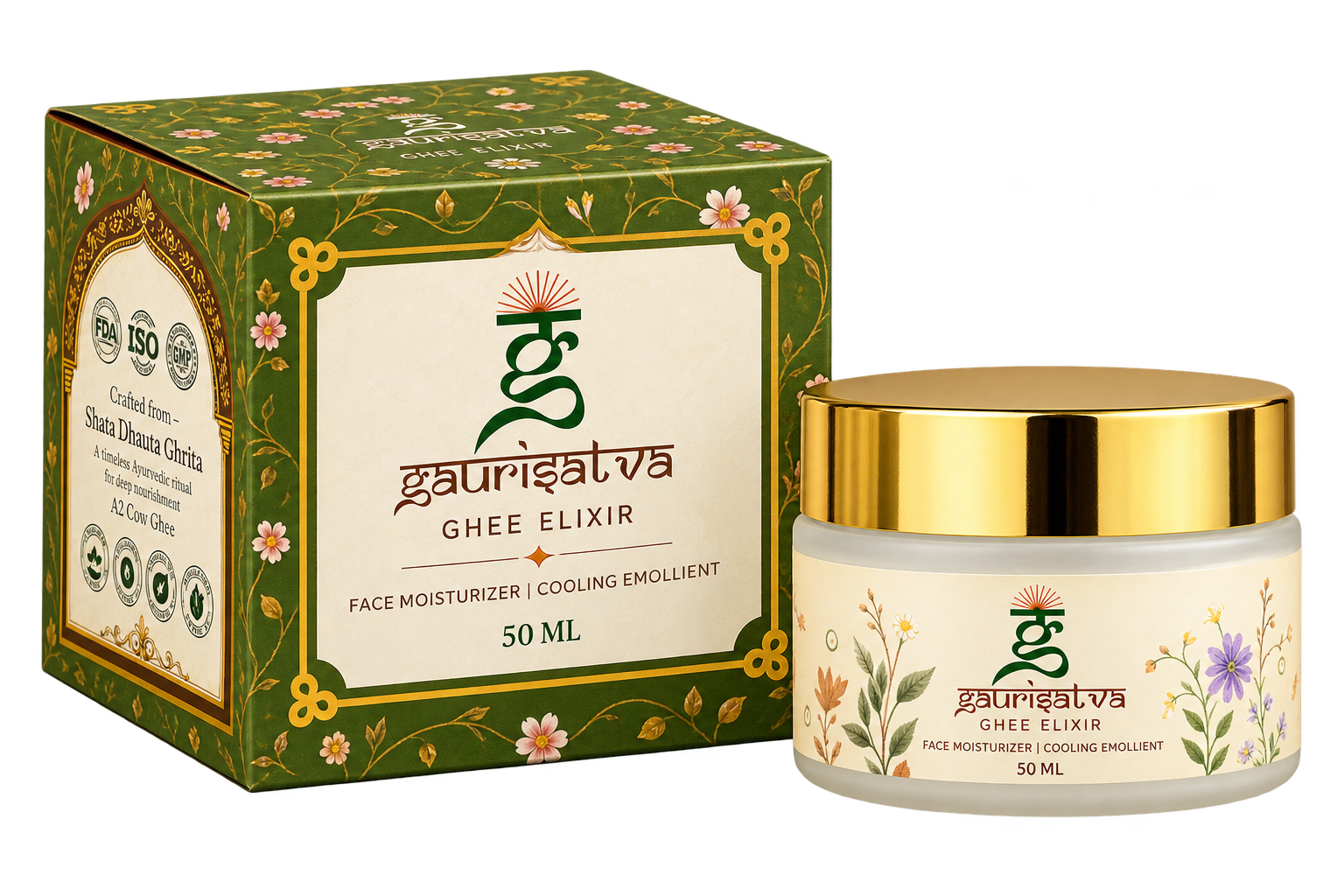
Gaurisatva's Shata Dhauta Ghrita Cooling Emollient Cream incorporates arjuna bark extract into a lightweight skincare base designed for everyday use. The approach is simple: bring a traditional Ayurvedic botanical into a practical formulation without making the skincare routine unnecessarily complicated.
Frequently Asked Questions
What is this ingredient used for in skincare?
It is mainly used in botanical skincare formulations for its traditional astringent character and naturally occurring antioxidant compounds. It can be particularly relevant to oily and combination skin routines.
How is it commonly used in skincare?
It can be incorporated into creams, emollients and other finished skincare formulations. The raw powder may also be used in traditional or DIY preparations.
Should I choose powder or extract?
Powder is the ground form and usually needs preparation before use. Extract is already processed for incorporation into finished products, making it more convenient for regular skincare.
How should I apply it to my skin?
Follow the directions of the finished product and apply it to clean skin. If using powder, follow its preparation instructions and patch test before facial use.
Can it cause dryness or irritation?
It can cause dryness, tightness or irritation in some people, particularly with frequent use of raw powder or astringent formulations. Patch testing is a sensible first step.
Is it suitable for sensitive skin?
Yes, It may suit some sensitive skin, but individual reactions vary. Introduce it gradually and patch test before regular use.
Disclaimer: This content is for informational purposes only and is not intended as medical advice. Always consult a qualified healthcare professional before starting any Ayurvedic treatment or remedy.

Ruchika A. Pandya

Ruchika A. Pandya is a psychologist and mental health advocate who founded Gaurisatva to support women’s well-being through mindful skincare. After seeing how unrealistic beauty standards and harsh products affected both skin and confidence, she turned to Ayurveda, where beauty is rooted in balance and nourishment.
Through gentle, thoughtfully crafted formulations inspired by timeless Ayurvedic traditions like Shata Dhauta Ghrita, Ruchika creates skincare that nurtures both skin and spirit. Her approach focuses on restoring balance, supporting healthy skin, and encouraging women to reconnect with the purity of natural, holistic care in their everyday routines.
